
 by
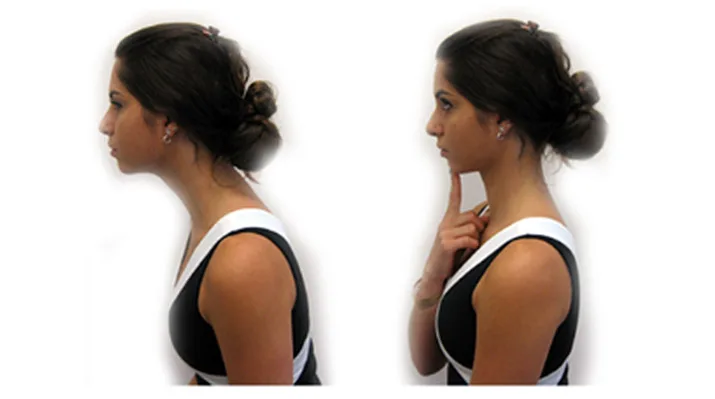
In the modern digital age, millions of people spend a significant portion of their day sitting in front of screens. Whether you are working at an office desk, studying, or relaxing with a smartphone, postural habits have quietly degraded. One of the most prevalent postural deviations resulting from this lifestyle is Forward Head Posture (FHP). Understanding what causes this alignment issue, how it impacts your physical health, and what steps you can take to reverse it is essential for long-term musculoskeletal wellness.
What is Forward Head Posture?
Forward Head Posture is a musculoskeletal condition characterized by the shifting of the head forward on the body, away from its ideal neutral alignment directly above the shoulders and spine. In an optimal posture, your ears should align vertically with the midpoint of your shoulders.
When FHP occurs, the head protrudes forward. For every inch your head moves forward, the functional weight and load experienced by your cervical spine and supporting musculature increase dramatically. This postural misalignment is rarely an isolated issue; it is almost always associated with the rounding of the shoulders (thoracic kyphosis) and a sunken chest.
Common Causes of Forward Head Posture
The root causes of forward head posture are largely tied to daily habits, environmental ergonomics, and repetitive behaviors. Key contributors include:
- Prolonged Computer and Desk Work: Hours spent staring at poorly positioned computer monitors or typing on laptops often cause individuals to lean forward, jutting their chins toward the screen.
- Smartphone and Tablet Usage: Often referred to as “text neck,” constantly looking down at mobile devices places chronic stress on the upper cervical spine.
- Television Viewing: Slouching on couches or beds while watching television without adequate neck or lumbar support encourages poor spinal alignment.
- Incorrect Sleeping Positions: Sleeping on your stomach or using pillows that elevate the head too high can lock the neck into an unnatural bend for hours at a time.
- Sedentary Lifestyles: A lack of regular physical activity reduces core and upper-back muscular endurance, making it difficult to maintain an upright posture effortlessly.
Physiological Impacts and Symptoms
The human body is brilliantly engineered, but it operates under strict mechanical laws. When your head is pulled out of alignment, a chain reaction of muscular imbalances occurs throughout the neck, chest, and upper back:
- Muscular Tightness and Shortness: Muscles and soft tissues located in the front of the neck and the upper chest area undergo continuous shortening and tightness.
- Muscular Weakness: Conversely, the muscles located in the back of the neck and the upper back—which are tasked with pulling the head and shoulders back—suffer from prolonged stretching and subsequent weakness.
- Chronic Pain and Discomfort: These compounding imbalances create structural strain, leading to chronic pain, stiffness, tension headaches, and localized mal-alignment of the neck.
Over time, if left unaddressed, forward head posture can accelerate wear and tear on the cervical vertebrae, potentially contributing to degenerative disc issues and chronic shoulder impingements.
How to Correct Forward Head Posture
Reversing forward head posture requires a targeted approach combining conscious postural awareness, ergonomic adjustments, and specific strengthening and stretching exercises.
The following two core exercises can help correct posture issues associated with forward head posture. Both exercises should be performed once or twice a day, and you can gradually increase repetitions over time.
1) Pectoralis Stretching
Because tight chest muscles pull the shoulders and head forward, opening up the chest is a critical first step in postural restoration.
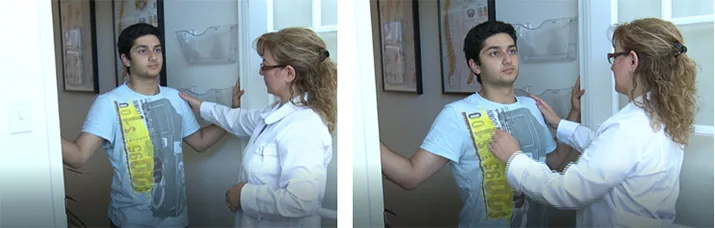
- Starting Position: Stand inside a door frame with your hands resting on the sides of the frame.
- Execution: Step one foot forward into the door frame and gently push your chest forward until you feel a stretch across your chest and front shoulders.
- Hold and Repeat: Hold this position for 5 seconds, then return to the starting position. Repeat this exercise ten times.
2) Airplane Exercise
This movement targets the weakened muscles in the upper back and posterior chain, helping to retract the scapula and support an upright neck position.
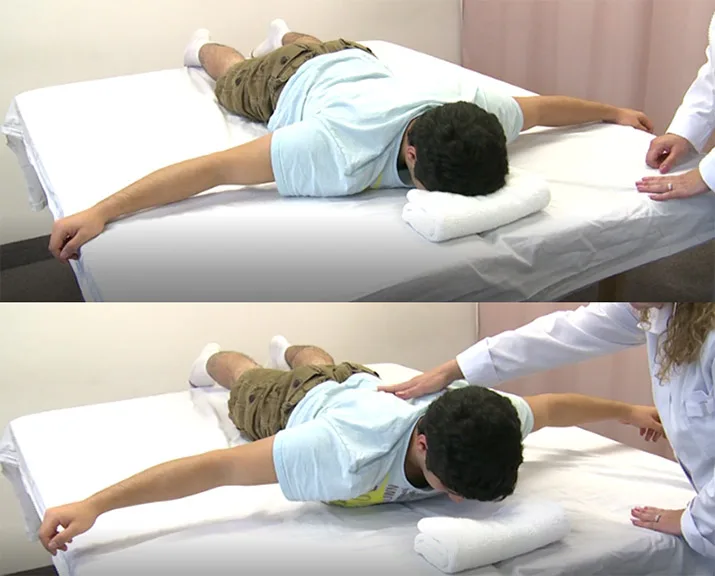
- Starting Position: Lie down flat on your stomach with your arms spread apart and place a folded towel under your forehead for comfort.
- Execution: Simultaneously lift your arms and upper chest off the ground, engaging your upper back and shoulder blades.
- Hold and Repeat: Hold this lifted position for 5 seconds. Lower yourself back down and repeat this sequence ten times.
When to Seek Professional Guidance
While routine stretching and strengthening are powerful tools for managing mild postural discomfort, consistency is key. However, safety always comes first. If you experience persistent pain, sharp discomfort, or radiating symptoms while attempting these movements, stop immediately and contact your physiotherapist for a personalized assessment and treatment plan. Professional guidance ensures that your recovery journey is safe, structured, and tailored to your unique anatomical needs.