 by
Lower back pain is one of the most common complaints among patients seeking professional physiotherapy. In the vast majority of cases, this discomfort stems directly from improper form and body mechanics while lifting everyday objects. Incorrect lifting places excessive, unnatural stress on the spine and the delicate soft structures of the lower back, including supporting muscles, ligaments, and intervertebral discs.
Fortunately, these painful injuries are entirely preventable. By learning, mastering, and consistently applying proper lifting techniques tailored to different types of objects, you can protect your spinal health and maintain long-term physical mobility.
1. Squat Lifting: The Gold Standard for Regular Objects
Squat lifting should be your go-to technique for objects that feature a regular shape, are relatively light, and provide a secure, comfortable area for grip.
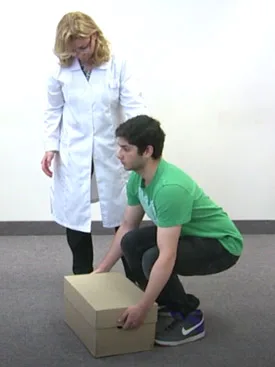
- Assess Before You Lift: Before initiating any movement, approach the object to evaluate its weight and determine the best way to grip it. This eliminates unexpected surprises that can cause abrupt spinal twisting.
- Establish a Stable Base: Stand upright with your feet placed shoulder-width apart, positioning yourself as close to the object as possible.
- Hinge and Lower: Move your hips backward while keeping your back straight, then smoothly lower your body down into a squat.
- Maintain Head and Chest Alignment: While lifting, avoid looking down. Keep your chest straight and your gaze forward to maintain a neutral spine.
- Keep the Load Close: Secure a firm grip on the object and drive upward with your legs, keeping the item as close to your body as possible throughout the movement.
2. Lifting Irregular Objects Safely
Not all objects encountered in daily life or work environments feature a secure handle, evenly distributed weight, or a standard geometric shape. Handling asymmetric or shifting items requires a modified approach to maintain balance.
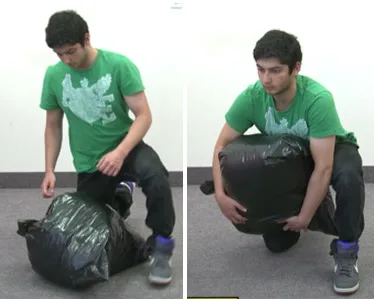
- Evaluate the Item: Carefully observe the object to gauge its weight distribution and find the most stable handholds.
- Adopt a Stepping Stance: Place one leg close to the object and step the other leg back into a stable staggered position, keeping your feet roughly shoulder-width apart.
- Kneel Down: Lower your body down onto one knee to create a solid foundation.
- Secure an Underside Grip: Grip the object firmly from underneath and draw it close against your chest.
- Rise with a Straight Back: Once you feel secure and balanced, stand straight up in one fluid motion while keeping your back locked in a neutral, unsupported straight line.
3. Practical Mechanics: Shopping Carts and Car Trunks
Moving heavy groceries or packages from a shopping cart into the trunk of a car is a notorious trigger for acute lower back strains. Proper posture here is essential.
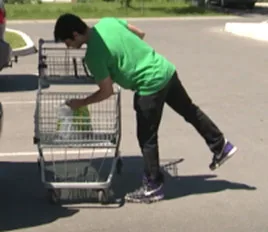
- Use External Support: Place your non-dominant hand firmly on the edge of the shopping cart or the lip of the car trunk to provide structural support and balance.
- Counterbalance: Lift the leg on your dominant side slightly off the ground and bend down smoothly.
- Retrieve the Item: Grab and pick up the object while maintaining stability through your supported arm and standing leg.
4. How to Lift Small Objects Off the Ground
For lightweight or small items resting on the floor, you can utilize specialized balance-based pickups depending on your stability.
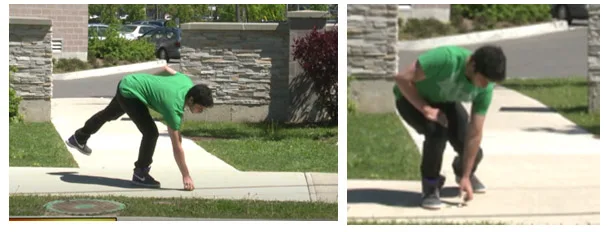
- The Single-Leg Reach: If you possess excellent balance, hinge forward to pick up the object while simultaneously lifting your back leg straight up behind you to counterbalance.
- The Supported Reach: Alternatively, step forward, place one hand firmly on your knee for support, and hinge down to pick up the object.
5. Teamwork Dynamics: Two-Person Lifting
When faced with exceptionally large, heavy, or bulky objects, attempting a solo lift is a recipe for injury. Proper coordination is mandatory.
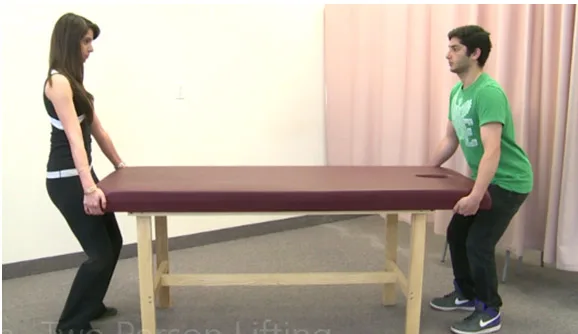
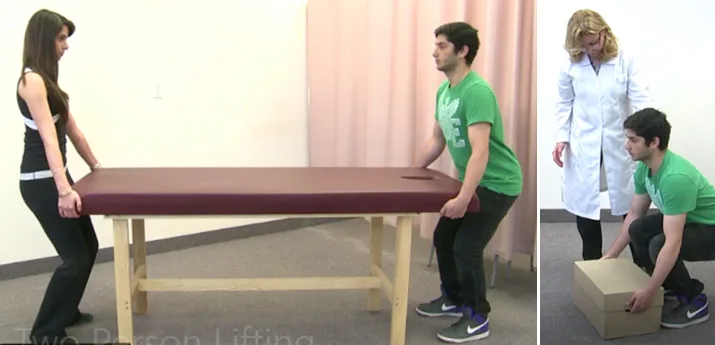
- Examine and Plan: Jointly examine the object to understand its weight distribution and establish secure hand grips.
- Assign Leadership: One person must take charge to command the lift while the other assists.
- Synchronize Positioning: Both individuals should approach the object with feet placed shoulder-width apart.
- Lift on Command: Look forward while bending your knees. The leader must count out loud to three so both lifters rise simultaneously.
- Power Through Legs: Lift the object using the large, powerful muscles of your legs and hips rather than your lower back.
- Staircase Protocol: When navigating stairs, ensure the physically strongest person is positioned below the object. Count every step carefully to prevent missteps or falls.
Essential General Safety Rules for All Lifts
- Never Twist While Loaded: Avoid twisting your spine while under a load. If you need to move an object behind you or to the side, pivot your feet and turn your entire body around, especially if the item is heavy.
- Use a Stepping Stool: When reaching for or lifting an elevated object overhead, always use a sturdy stepping stool. This prevents awkward positioning, loss of balance, or dropping items.
- Manage Dirty Items: If you must lift a soiled object—such as changing a flat tire—prioritize keeping it close to your chest. Drape a protective cloth over the item to protect your clothing without compromising your lifting posture.

For personalized guidance on injury recovery, ergonomic assessments, or chronic back pain management, consult with the expert clinical team at [Maya Physio](url: 0) to get back to living pain-free.