 by
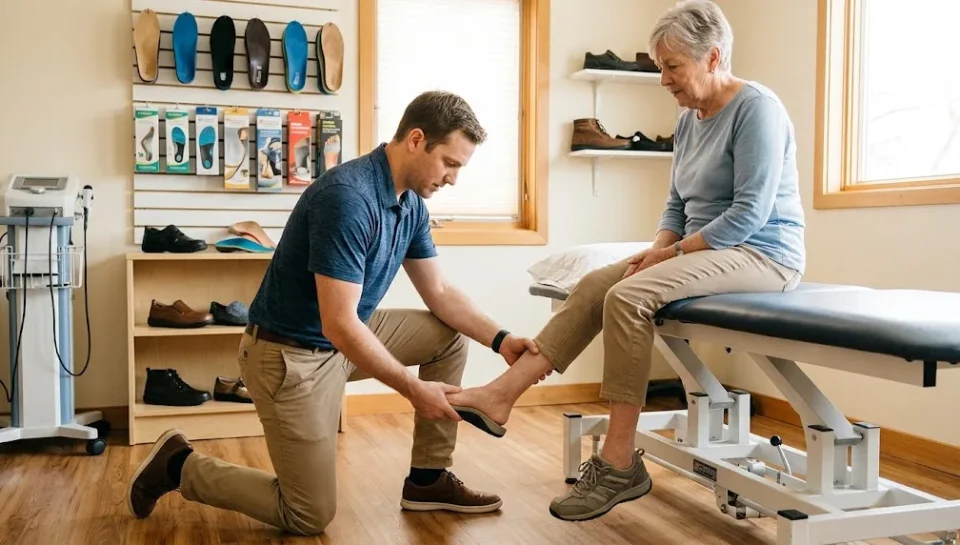
Foot health is foundational to your entire musculoskeletal system, yet it is frequently overlooked until pain begins to interfere with daily life. Commonly, people who have an improper arch height or other structural abnormalities in their feet do not realize it. Because our feet absorb the impact of every step we take, hidden alignment issues can create a chain reaction of discomfort throughout the body.
Whether you are standing for long shifts at work, walking for exercise, or simply going about your daily routine, understanding how your foot structure impacts your posture is essential. Recognizing the early warning signs of foot dysfunction can help you prevent chronic pain and maintain long-term mobility.
Understanding Arch Abnormalities and Foot Mechanics
The human foot features a complex network of bones, ligaments, tendons, and muscles designed to support your body weight and absorb shock. However, structural variations—such as exceptionally high arches or low arches (flat feet)—can disrupt this natural balance.
- High Arches (Cavus Foot): Feet with high arches tend to be rigid and lack sufficient shock absorption, which can place intense stress on the heel and forefoot during walking or running.
- Low Arches (Flat Feet or Overpronation): Feet with low arches tend to roll inward excessively when weight is applied, destabilizing the ankle and altering your natural gait.
A high or low arch in the feet may lead to chronic pain and fatigue, especially after prolonged standing or walking. When your feet fail to provide a stable, cushioned foundation, the mechanical inefficiencies do not stop at the ankles. Instead, they travel upward.
The Upward Chain Reaction: From Feet to Spine
When your arches collapse or fail to distribute pressure evenly, it changes the alignment of your entire lower kinetic chain.
- Shin and Ankle Strain: Improper foot mechanics can result in the twisting of the shin bone in or out, placing abnormal rotational stress on the lower leg.
- Knee and Hip Discomfort: As the shin bone and ankle compensate for poor foot posture, the knee joint and hip joints are forced out of optimal alignment, leading to wear and tear.
- Lower Back Pain: Over time, these cumulative misalignments travel all the way up to the pelvis and lumbar spine, eventually causing pain and discomfort in the ankle, knee, hip, and lower back.
Because these issues develop gradually, many people attribute their back or knee pain entirely to poor posture or sitting too long, completely missing the root cause in their feet.
Signs You May Need Custom-Made Orthotics
Because foot abnormalities are not always visually obvious, it is important to listen to what your body is telling you. You can start by examining your feet and comparing your arch with others to see if you notice any visible abnormalities.
Beyond a visual check, look out for these common warning signs:
- Persistent Foot Fatigue: If you feel fatigue or discomfort in your feet after a long day of standing or walking, it is often a sign that your foot muscles are working overtime to compensate for poor arch support.
- Skin Calluses and Corns: If you see calluses developing on your feet, it indicates areas of abnormal friction and excessive pressure concentration.
- Localized Joint Aches: Unexplained discomfort in your heels, arches, ankles, or knees during regular physical activity.
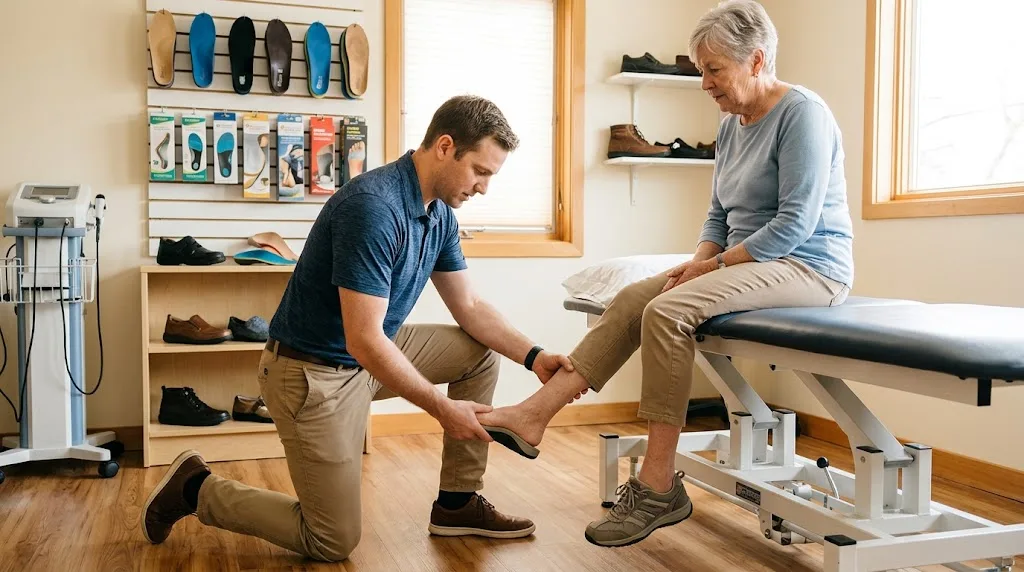
If you recognize any of these symptoms, you must consult with your family doctor or your physiotherapist for a professional evaluation.
How Custom Orthotics and Professional Treatment Help
Over-the-counter shoe inserts offer generic cushioning, but they are rarely designed to address your unique biomechanical profile. Custom-made orthotics, on the other hand, are precision-crafted medical devices prescribed by qualified healthcare professionals based on a detailed gait analysis and foot impression.
These custom devices work by:
- Providing targeted support precisely where your arch needs it.
- Redistributing your body weight evenly across the entire sole of the foot.
- Correcting faulty alignment in the ankles and lower legs.
- Reducing impact shock on your joints during movement.
These issues can be corrected with treatment and custom-made orthotics in most cases, helping you regain comfort, stability, and freedom of movement.
Take the First Step Toward Pain-Free Mobility
You don’t have to live with chronic foot fatigue or radiating joint pain. Addressing structural foot problems early can protect your knees, hips, and spine from long-term wear and tear.
If you suspect your arches are contributing to your discomfort, contact Maya Physio today to schedule an assessment with our expert team at our Richmond Hill clinic!